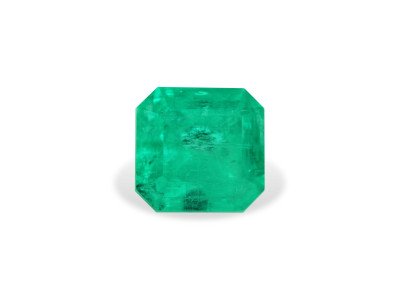

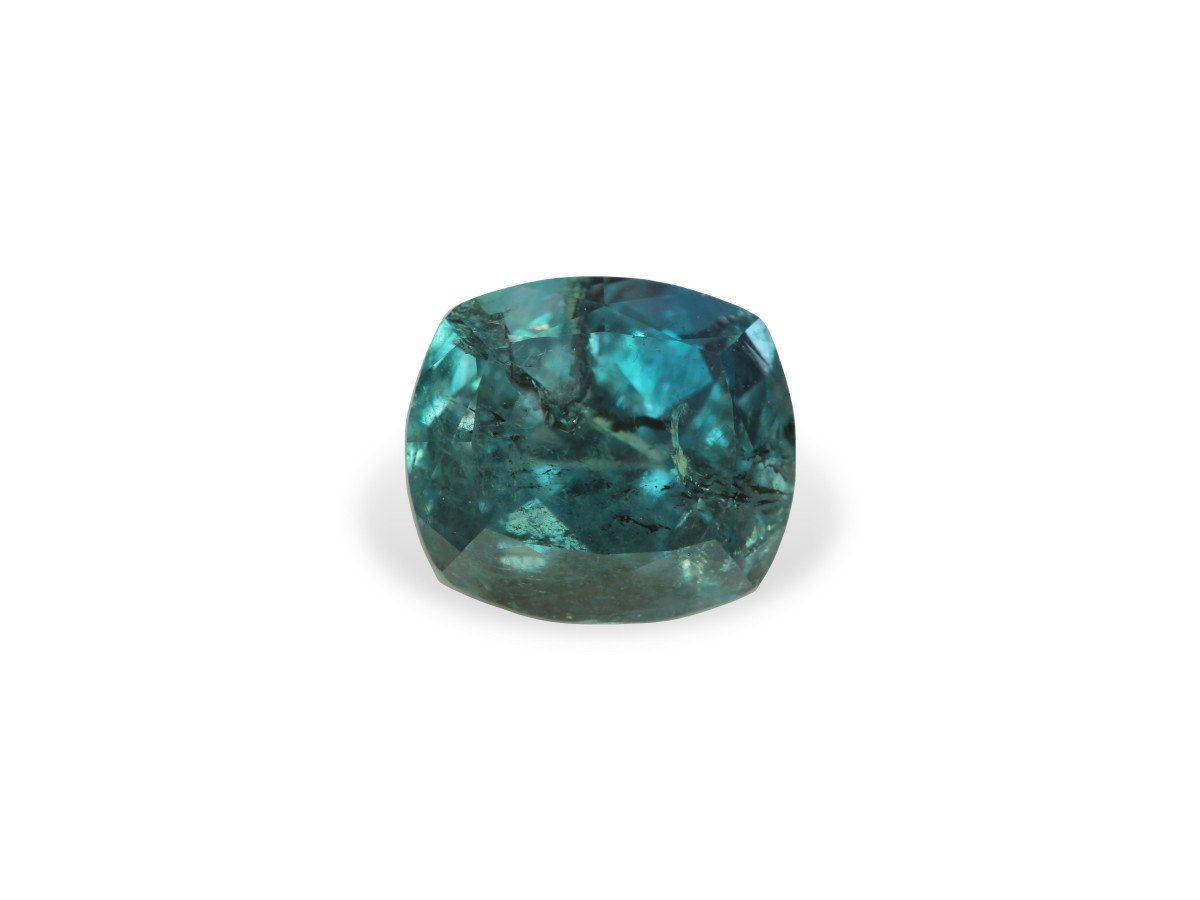
Ask a jeweller for alexandrite and the first question back is where it is from. The Urals are the answer the stone is named after — the deposit where the colour change was first described, and where it has been mined nearly to exhaustion. This guide explains what Russian alexandrite is, how it compares with Brazilian and Sri Lankan material, and how to judge one before buying.
Where a figure appears below, it comes from our own current stock of Ural alexandrite.
The stone that was found here first
Alexandrite was identified in the 1830s in the Ural emerald workings near Yekaterinburg and named after the future Tsar Alexander II. Everything the trade now means by "the alexandrite effect" was described from those Ural stones: a chromium-bearing chrysoberyl that reads green or bluish-green in daylight and turns red to purplish-red under warm incandescent light.
The change is not a trick of marketing photography. Chromium gives the crystal a narrow transmission window in the yellow, so the stone passes green in light rich in blue and red in light rich in warm tones. What varies from stone to stone is how complete and how clean that swing is — and that, more than size, is what separates an ordinary alexandrite from an exceptional one.
Ural, Brazilian, Sri Lankan and East African alexandrite
Alexandrite has since been found in Brazil — the Hematita deposit produced fine material from the late 1980s — as well as in Sri Lanka, Tanzania, Madagascar and India. Each source has its own reputation, and good stones come from all of them.
What Ural material carries is the reference status: it is the origin the effect was named from, it has been mined out to the point of rarity, and stones of real size are exceptional. That combination is why Russian alexandrite is asked for by name. It is also why origin should be documented rather than assumed — see the guide to reading a gemstone report for what a laboratory does and does not establish.
How to judge an alexandrite
Start with the change, not the colour. Two questions matter: how complete is the swing, and how clean are the two colours. A stone that goes from a decent green to a clear red is worth more than a larger stone that shifts from a muddy olive to a brownish red. Judge it in daylight and then under a warm bulb — LED and fluorescent lighting can suppress the effect entirely and make a good stone look ordinary.
Then clarity. Chrysoberyl is a hard, durable mineral and fine alexandrite is often clean; in our stock the majority is eye clean or loupe clean. Inclusions matter here more than in emerald, because nothing about them adds character — they simply take away light.
Then cut. The cut has an unusually large job in alexandrite: it has to show both colours well. In our stock cushions lead, followed by ovals and rounds. A cushion or oval gives the cutter room to keep depth and hold colour, which is why so much good alexandrite is cut that way rather than as a brilliant round.
Size last — and expect small. Ural alexandrite above a carat is uncommon and above two carats rare. In our own stock the median stone is a little over 1 ct, with the range running from about 0.2 to just over 4 ct. A large Russian alexandrite with a strong change is a collector's object, not a catalogue item.
A note on how we describe stones
Our listings record daylight colour, clarity, cut, and measurements for every stone. They do not attempt to grade the strength of the colour change on a scale, because there is no accepted industry scale to grade it against, and a number would suggest a precision nobody can deliver. If the change is what matters to you — and for alexandrite it should be — ask us about a specific stone and we will describe what it actually does under both lights.
What we hold now
We currently stock 63 loose Ural alexandrites — 59 single stones and a small number of matched sets — from about 0.2 to just over 4 ct, each photographed with its own colour, clarity, cut and measurements. Stock moves, so the catalogue is the accurate picture:
- The full Ural alexandrite collection — filterable by colour, clarity, shape and weight.
- Single alexandrites and matched sets for earrings and jewellery.
- Russian emerald — the stone from the same Ural mines where alexandrite was found.
Looking for a particular size, or a stone with a strong change? Tell us what you need and we will say plainly what we have. We also show at international gem shows through the year, where the effect can be seen under both lights in person.